Gas Pressure Regulators: What They Do & How Not to Blow Up Your BBQ
Ever wonder what keeps your outdoor grill from turning into an impromptu firework display? Or why your furnace doesn’t just blast raw, high-pressure gas? In California? We like easy living, safety first. So knowing about your gas pressure regulator isn’t just smart. It’s vital. Unsung heroes, big time. They take potential chaos. Turn it into a smooth, steady flow.
Yeah, About That Unsung Hero: Why You Need One
These aren’t just fancy gadgets. Real safety stuff, actually. Natural gas or propane, from tanks or pipelines – that initial pressure? Way too high for your gear. So a gas pressure regulator? Steps right in. Cuts that incoming surge right down. Makes it super safe, lower pressure. Perfect for heating, cooking, you name it.
It’s about consistency. Always. The regulator keeps the pressure steady, no matter how wild the inlet pressure gets. Even better? It’s rigged to cut off the gas if pressure gets seriously out of whack. Total protection from dangerous spikes. Talk about a silent guardian.
Digging In: What’s Inside a Regulator (Basically)
Wanna know how these bad boys work? You gotta peek inside. Pretty clever, actually.
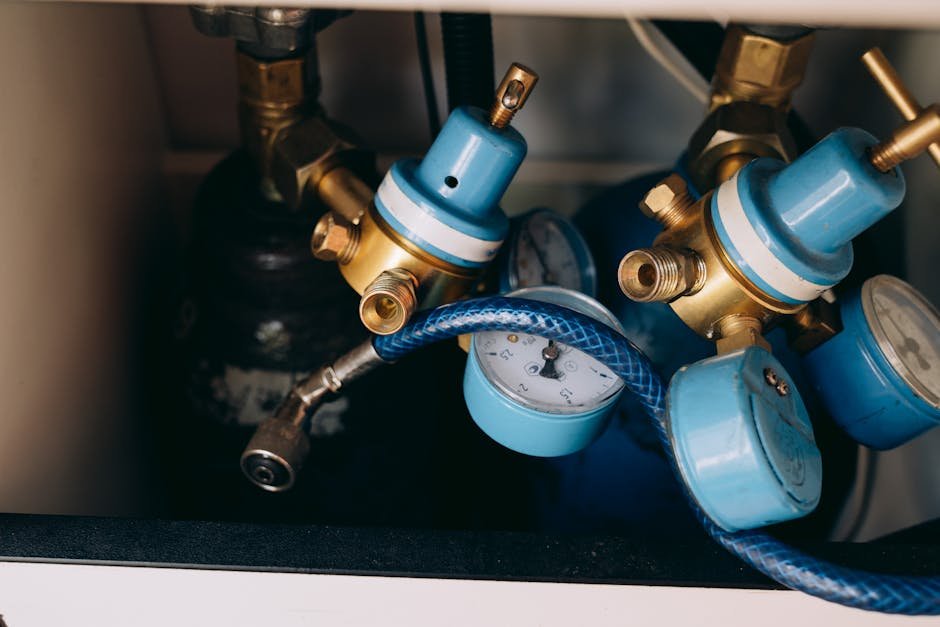
Gas hits the inlet port from your high-pressure source. Then it leaves, nice and calm, out the outlet port to your stove or whatever.
Pop off the seal cap (yeah, you gotta take it off). There’s an adjusting screw. This is your control. Twist clockwise? More pressure. Counter-clockwise? Less.
Inside? A flexible thing. The diaphragm. It’s the pressure sensor. Bounces up and down. Tied to a lever with a rubber valve disc. This disc? It practically chokes or opens the gas flow. Clever.
A main spring pushes the diaphragm. And when you mess with the adjusting screw? You’re basically squishing or loosening that spring. Changes its push. Also, a spring-loaded relief valve. For too much pressure; lets it out. All parts work together. Stays cool.
The Vent: Why It’s There (And Why It Breathes!)
That vent on the side? Not decoration. Nope. This little opening has two big jobs. First, it breathes. Helps pressure stay right. Second, emergency exit. Too much gas pressure? Pfft, out it goes, safely into the air.
Block that vent? Regulator’s useless. Because it won’t work right. So, screens on many. Keeps bugs, creepy crawlies, from building squat there. Gumming up the works, you know?
Crucial tip: Always point the vent down. Serious. Stops rain, snow, any random junk. No blockages.
So, How’s It Work? The Actual Guts
It’s a constant, never-ending dance. High-pressure gas zooms into the inlet. Hits a tiny hole—an orifice. Lands in the regulation gas chamber. And? Boosts pressure under the diaphragm. Pushes it up, against that big spring.
Diaphragm up. Valve disc shoves closer to the orifice. Less gas.
But say your appliance uses gas. Outlet pressure dips. Same for the diaphragm. Spring, less squished now, pushes it back down. Valve disc opens wide. More gas flows. Just like that. The regulator just keeps adjusting itself. Balances the spring against the gas. Holds that perfect, rock-steady pressure. Sweet.
But if that pressure really goes bonkers under the diaphragm? It pushes up so hard it opens the relief valve. Too much pressure whooshes out the relief valve, then the vent. Safety. Always.
One Stage or Two? Which One Works?
The kind we just talked about? That’s your basic single-stage regulator. Takes high pressure. Drops it to what you need. One shot. Easy peasy.
But, some setups need more. More… precision. That’s where dual-stage regulators hit the scene. Picture it: two regulators inside one. Back to back. First one? Knocks down the super high pressure to medium. And another thing: the second one fine-tunes that medium pressure. Right down to what your appliance wants.
When do you need all this? Usually, when your gas tank is miles from your stove. Or seems like it! Those two steps? Way more stable for long hauls.
So, next time the grill fires up? Or your heater kicks on? Think about that tiny, mighty thing. Works hard. Silent guardian, really. Keeps everything safe and humming.
Quick Q&A (Stuff People Ask)
Q: Why’s that outdoor vent screened? And why point it down?
A: Screen? Keeps bugs out. Seriously. No bug apartment means it actually works. Facing down? Keeps rain, snow, junk from getting in. No blockages, no headaches.
Q: That diaphragm thingy? What’s its job?
A: It senses pressure, simply put. Flexible part. Bounces up and down with gas pressure. Changes gas flow, thanks to the valve disc it’s hooked to.
Q: When do I buy a two-stage instead of a regular one?
A: Because you need it for big distances. Like, from your huge tank to an appliance way over there. It keeps pressure steady for those longer trips.