Woah, Flying Wind Turbines? Is This for Real? Let’s See!
Ever driven past one of those towering wind farms, right? California has plenty, from Tehachapi to Altamont. They’re impressive, no doubt. But what if those massive turbines didn’t need a monument-sized pole? What if they just… floated? It’s all about Flying Wind Turbines, folks. Airborne Wind Energy Systems, yeah, that’s the fancy name. But it’s gonna change how we get power. Whole new vibe for energy. Tapping into winds way up high. Hella consistent up there. Not sci-fi. For real.
Why Old-School Wind Turbines Are a Pain
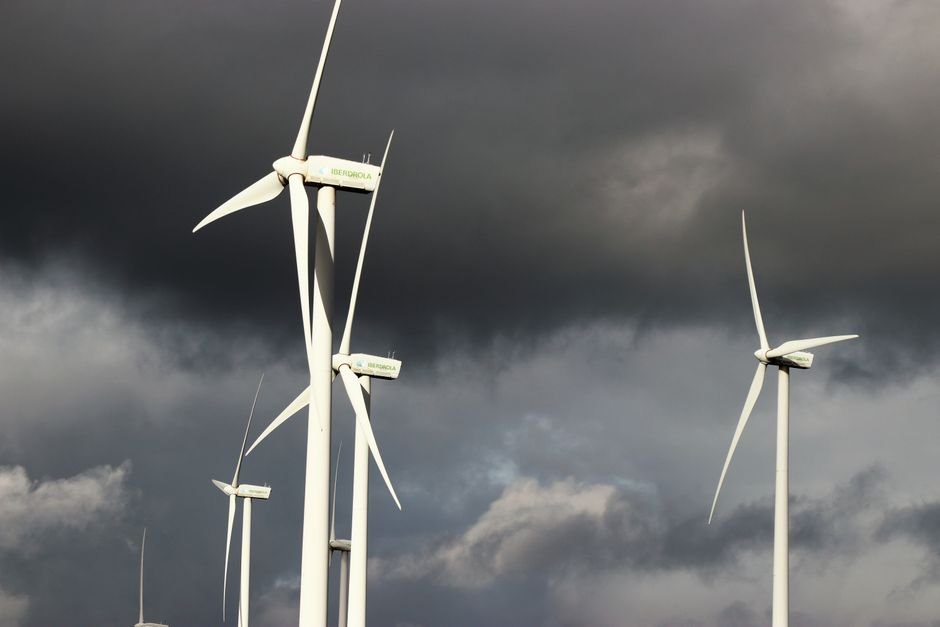
So, traditional wind turbines? Yeah, important for our green push. But a real headache too. Think about it: bigger turbine, more power. Basic physics. It’s all about the rotor’s size and wind speed. Double the blade? Maybe four times the power, even if the breeze doesn’t pick up.
The problem? Big rotors need big towers. Huge ones. Taller towers grab better, steadier wind. Way up high. But building those monster things? Huge problems. Making the blades? Hard. Hauling them to some distant spot? Forget it for the biggest ones. A nightmare. Then putting it all together. A mess. And wear and tear? Bigger means more stress. More fixes. Ugh.
Offshore, they hit maybe 80 to 120 meters. Land ones? Even shorter. Can’t move them. Sure, some folks are dreaming big, like Radia’s WindRunner planes to fly parts. But that won’t happen for ages. We need stuff now.
Okay, So Here’s Where Airborne Wind Energy Steps In. Boom
No need for massive towers. Send the turbine sky-high instead. Just grab that super strong, steady wind way up there. Make juice. No big pole needed. Simple.
Two Ways to Get ‘Em Airborne
Lift-Based Systems: Kites & Gliders. Cool
First way: lift. Kites. Imagine a huge kite on a big spool, anchored to a ground station. Wind hits it just right, kite flies in figure-eights. Unspools line, spins a thing. Makes power. Gets as high as it can, reels in a little bit (uses hardly any power), then lets it out again. Keeps going. Kite Power? They’re doing this.
Then, gliders. Not just kites. More like mini-planes with spinning wings that make power right there, on board. Google poured cash and 13 years into Makani. Millions gone, man. Built prototypes. Launched gliders. Even made power.
But Makani crashed in 2020. Why? $$$. Brutally steep development expenses. Designing and building all those special wings and stuff on board? Crazy expensive. And if one of these fancy gliders screwed up and fell? Millions of bucks, just scrap metal. Poof. And another thing: more power meant longer wings. Impossible to make. Still, Makani put all their tech, patents, everything online. A big win for anyone else trying this renewable energy stuff.
Drag-Based Systems: Balloons in the Sky. For Real
This GIVES me hope. Serious buzz these days. Forget kites or gliders. Think huge helium-filled balloon. Basically a Flying Wind Turbine itself. Up they go! Big rotors built right in. Turns wind into power. Just a regular turbine inside a huge, blow-up shell. Send it straight to the best wind.
China’s driving this. Hard. One company, their S2000 model. Broke a record. Giant helium balloon – 60 meters long, 40 meters wide and tall – floated up 2,000 meters for half an hour. Made 385 kWh. Had 12 rotors. Crazy power.
Powering Homes: How Flying Turbines Stack Up
Okay, numbers time. That’s the real deal. Regular onshore turbine? Maybe 3 MW. But in reality, wind goes up and down. So, it’s about 33% capacity, meaning 1 MW per hour typically. Powers around 2,500 homes. Roughly.
Kite systems? Not as much. Kite Power wants about 30 kW at 300 meters. Enough for 75 homes. Hourly. Good for some, yeah. But not replacing big turbines. No way.
But those huge balloons? The S2000’s record half-hour flight? 385 kWh. Keep that up for an hour? 770 kWh. Even with crap numbers. Around 1,500 homes an hour. Wow. So, China’s all in. These Flying Wind Turbines are getting close to those big ones we see on the ground.
The Hella Big Advantages
The good stuff about these airborne things? Total game-changer. First off, moving them? Hella easy. Fits in a shipping container. Or on a truck. Simple. Can’t say that about a regular turbine blade. Uh-uh.
Easy to move, so easy to use. Fast. Disaster hit? Remote site needs power? Zap! No huge trucks. No weeks of building. These Flying Wind Turbines? Up and running, power flowing. In a day. Huge for temporary or emergency power. Seriously.
Also, way less junk needed. 70% less material than old turbines, some say. Cheaper to make. Quicker money back. Investors like that. Plain and simple.
The Kinks to Work Out
But it’s not all sunshine and rainbows. Not yet. Still pretty new tech. Making enough of them cheaply? Big problem. Need standard parts. Simpler software. Cheaper gear.
Safety. Huge deal. Not just featherlight balloons. They’re big, heavy machines. What if one busts? Drops from 2,000 meters? Yikes. People’s safety. #1 priority.
And another thing: planes. These things fly where jets go sometimes. 2,000 meters. Gotta untangle that mess of air routes. Making them play nice with air traffic control systems? Super hard.
A Hybrid Path Forward
Nobody’s saying “ditch all the old wind farms!” No, it’s a mix. A hybrid future. Imagine a normal wind farm. Turbines on the ground. Maybe 150 meters up. Same place, you put up Flying Wind Turbines. Grab wind at 500 meters, even a whole kilometer up. Higher. This two-level game? Could mean way more power. Way more efficient. Grabbing wind from all the different heights.
Energy’s wild, man. And these Flying Wind Turbines? Big changes coming. Huge.
Asked and Answered (The Quick Version)
Q: Eco-friendly? How do they stack up?
A: Way less stuff needed. 70% less material, studies say. Smaller footprint. Money back faster. Good for the planet, maybe.
Q: Emergency power? These things do that?
A: Oh yeah. Absolutely. Roll them in. Set ’em up. Power in a day. Perfect for disasters. Or just temporary needs. Speedy.
Q: How much juice can these things make?
A: China’s S2000? Crazy good. 385 kWh in 30 minutes, 2,000 meters up. That means 1,500 homes worth of power. Almost. Pretty close.