Frankenstein: What’s the Big Deal?
Ever wondered when big dreams go totally wrong? Or if a nightmare can, like, make history? Strap in, because the real story behind Frankenstein is wild. Mary Shelley, only 19 and stuck for ideas, chilling with friends, had this super scary mental picture – a guy trying to zap life into something dead. That freaky image, a true stomach-churner, kickstarted one of literature’s toughest stories. Diving into Frankenstein analysis uncovers so many layers about us, and our darker sides.
Victor’s Bad Choices
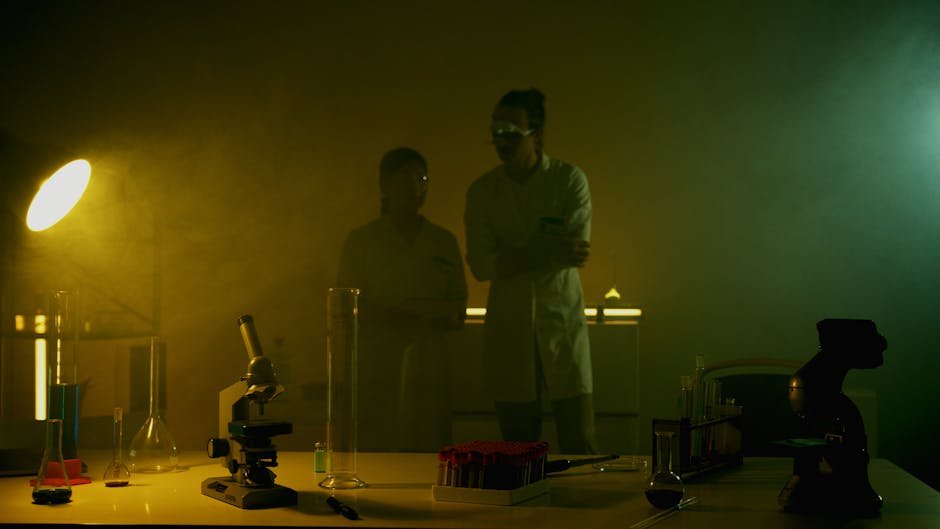
Victor Frankenstein isn’t just a brainy scientist; he’s super full of himself. His big plan? Not really for everyone’s good, even if he tried to say that. Deep down, Victor needed to shine. He wanted to be, like, the ultimate creator. A god! Just imagine everyone hailing him as king.
But this selfish need takes him to dark places. He starts stealing body parts. Pretty unsettling stuff, all to make life out of… well, not-life. And what he makes? Not the beautiful thing he saw in his head. Nope. He made a gross, ugly figure. Instantly, he hated it.
And another thing: All that “forbidden knowledge,” messing with old-school magic and alchemy? Didn’t get him immortality or fame. Instead? Total meltdown. His brother William murdered. Justine wrongly blamed, then dead. And Elizabeth? Gone, too. His whole world fell apart. Because he just couldn’t keep his own wants in check.
Lonely Monster
The book actually kicks off with Robert Walton, far north, writing to his sister. So lonely. He wants a real friend, someone who gets him. This sets the vibe for the creature’s own sad, desperate trip.
The creature? Starts out okay. Not mean. After Victor freaks out and ditches him, he just experiences the world. Like a baby. He figures out how to eat, then watches a family. He just wants their warmth. And he helps them in secret.
He learns to read. Reads books that only make him more isolated. But every single time he tries to talk to people, it’s fear. Disgust. Or violence. He sees his face in a puddle. Horrifying. A real punch to the gut. The breaking point: he saves a kid, then gets shot. And attacked. All that sadness turns to burning fury. So, if society won’t take him, he’ll make them pay. Simple.
Paradise Lost Connection
Man, the creature reads Paradise Lost and totally gets Satan. “I should be thy Adam,” he says, “but I am rather the fallen angel.” He can’t believe he got thrown out of a world he never even asked for.
Like Adam and Eve, who snagged the forbidden fruit and got kicked from paradise, Victor’s grab for secret science stuff ends in total disaster. A real loss of innocence for everyone. Plus, Victor’s crazy ego? Just like Satan defying God.
But here’s the kicker. The creature’s revenge, like Satan’s moves? Doesn’t make him happy. No joy in his killing. Every murder just drags him deeper into his own personal hell. Stuck.
Good Guy Gone Bad
He wasn’t born evil. Seriously. The creature just wanted to connect. He hung out near the De Lacey family for months, even did nice things like finding firewood for them. He longed for their approval. For a spot in their world.
But when he tried to be friends? Screams. Punches. People just kept rejecting his weird look. It hardened him. Getting shot after saving a kid? That was it. The ultimate betrayal. A swift kick in the teeth. Goodness got him nothing.
That’s when his good side shattered. He figures out William is Victor’s brother. A connection to his maker, the dude who dumped him. And suddenly? Revenge. A full-on mission to get back at Victor through his loved ones. Brutal.
Ugly Truth About Looks
Right from “birth,” his whole life is about how he looks. Victor, his own dad in a way, can’t stand him. Immediately abandoned. Why? Because he’s an “abomination.”
Villagers run away. Or just attack him. Without reason. He sees his own reflection. Terrified. Understands why everyone recoils. It’s a devastating moment of self-loathing.
Only the blind old De Lacey actually shows him kindness. Couldn’t see the “ugly.” Treated him right. It really shows how wild and unfair our hang-ups about looks are. How we see people. And how we treat ’em. Just wild.
messing with mother nature
Victor Frankenstein is obsessed. Wants to find the secret to life and death. Even thinks about making people live forever. He plays God. Skips all the natural parts. But he completely misses the huge responsibility that goes with all that power.
He bails on his creation. No guidance. No care. No love. Seriously lacking. That neglect? The start of everything awful. So, the book yells a warning: New ideas without responsibility? Yeah, that’s super dangerous.
And before Victor dies, he tells Robert Walton something real chilling: “Find happiness in calm… avoid ambition… learn from my mistakes, how dangerous it is to get too much knowledge and how much happier that man is who believes his native town to be the world, than he who aspires to become greater than his nature will allow.” A tough talk.
Victor’s OWN Fault
Victor wasn’t chasing science out of the goodness of his heart. Nah. It was a completely selfish drive for fame. For some god-like creator power. He just saw his creation as, like, a trophy for his own genius. Not a living thing needing care.
His fear and disgust? Made him ditch the creature right away. No accountability. He kept ducking responsibility for his actions. Wouldn’t even admit the creature was real, an actual suffering being.
And then, when asked for a female companion, Victor destroys it mid-build. Paranoia. He totally freaked. Thought she might be ugly, or they’d hate each other. Or, worse, they’d make babies and “destroy humanity.” This final betrayal? Seals everyone’s fate. Victor’s life ends up swallowed by his creation and his own messed-up self. A hella hard lesson.
Quick Q&A
Who’s Frankenstein again?
Frankenstein is the scientist, Dr. Victor Frankenstein. The creature is the creature. No name. Never forget.
How old was Mary Shelley?
Just 19. Nineteen! When she got the idea for Frankenstein during a super chill ghost story competition.
Why did Victor make the creature?
He justified it to himself, saying it was for humanity. But really? He wanted personal glory. Ambition. And to be a “god” to a new kind of being. All about him.