So, Why Do Korean Businesses in California Flop? Killer Location & Marketing Secrets You Need to Know
Ever scratch your head wondering why that awesome local joint, with super good food and prices that flat-out kill it, just… vanishes? Yeah. It happened just recently, right here in Irvine. A Korean spot for brunch, slinging authentic tastes with soju that was, like, only $4.99? (Seriously, a total steal compared to way over ten bucks you usually pay around town.) It shut down. Less than twelve months after a new owner took the reins. The grub? Seriously delicious. The bargains? Unbeatable. The atmosphere? Totally chill. So, what actually went wrong?
Turns out, even a fantastic Korean business California sometimes just tanks. If it skips a couple of really basic rules for doing business in the Golden State, that is. The owner, get this, was all set in just one week – mapping out a completely new menu and a total interior redo. Nope, wasn’t the food. Not the money invested.
Location Is Everything, Period. (But It’s Sneaky, Man.)
And this cafe? It was literally, straight-up, right off a main road, in an Irvine spot people hit up all the time. I figured I knew the neighborhood; honestly, I thought I knew every single thing going on around there. But I only found this spot like, a minute before it closed. Why’d that happen? It was hidden. Completely invisible from the actual street. Even the parking lot? You needed to make this weird, specific turn just to get in.
Killer stuff, but nobody sees your shop? Yeah. That’s a total recipe for disaster. Guaranteed.
Look, in a place like California, where everybody drives, right? If your business isn’t staring people in the face immediately, like, right then. Poof. It might as well not exist. Locals can honestly roll past it for years and never even have a clue you exist.
Marketing? You Absolutely Need It in the US
This cafe literally had everything going for it. Except, you know, being seen. And when a place isn’t immediately obvious, isn’t something people trip over? Marketing just isn’t some extra cool thing. It’s totally critical.
Plenty of Korean entrepreneurs, especially when they’re new to the US, they kinda lean on that “build it and they’ll come” thing. They often just figure word-of-mouth is enough, long as the stuff is good. Here? Not a chance. Not usually how it happens.
You can’t sell stuff folks don’t even know is there. Doesn’t matter if your prices are awesome or your products are top-notch. Being hidden just means you fail.
Different Market Here. Get It?
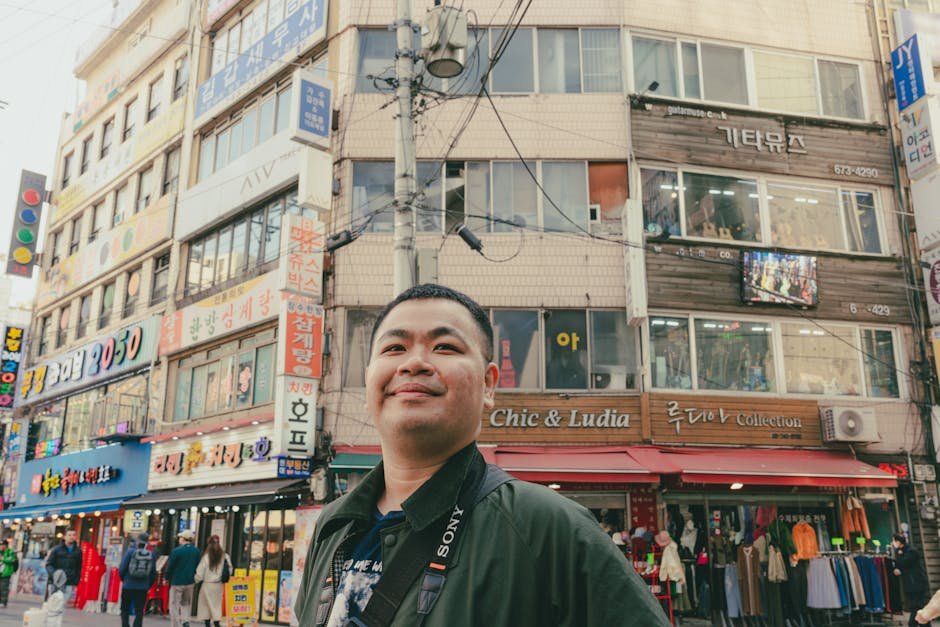
Just think about it: Seoul? Packed, walkable business areas. You start a place, people strolling past totally notice. Foot traffic is constant. Marketing? Maybe an extra goodie, but often not what makes or breaks you.
California? The US, generally? So spread out, man. Folks just jump into their rides, head to one place, and bounce. Nobody’s just stumbling upon things on the street. It’s rare. People stick to their patterns, totally. They’re kinda in their own world sometimes. Unaware, even, of the business in the very next building just ’cause it’s not on their usual drive.
The US market? It needs you to reach out. Actively. You seriously gotta, like, physically grab folks by the virtual hand and yell, “Yo! We’re right here!”
Guess What? Cheap Prices Aren’t Everything
The owner of that Irvine spot, my gut tells me, probably started slashing prices when things got dicey. Four ninety-nine for soju? Nah. That ain’t a business doing great; that’s a business just bleeding money, losing profits. It just screams, “Help!”
And even if you’ve got amazing value and truly authentic stuff, it seriously won’t matter if nobody, I mean nobody, knows to walk in. Good intentions, really good food, and bargain-basement prices? They don’t just magically get you customers if there’s no one to tell.
Change Your Game Plan. Period
This whole thing? It’s not about pointing fingers. It’s about just seeing the basic culture and market differences. What totally crushes it in Korea isn’t automatically gonna crush it here.
Just peep the big dogs: Google, Facebook – they’re basically advertising outfits, right? Big tech buys ads. They spend crazy money selling their brands and stuff. Apple. Amazon. They totally get you gotta tell people what you’ve got. For small businesses, especially a Korean business California, it’s even more important.
Successful business owners here in the US, doesn’t matter where they’re from, nearly always have a good marketing plan for their specific thing. And they know this huge, broken-up market won’t just magically find them.
Honestly, your whole success? It’s about really talking to your customers. Don’t let your big passion project just vanish into thin air.
Got Questions?
So why do some Korean businesses, even with killer food, still have a rough time in Cali?
Most times, it’s about being visible and how they market themselves, plain and simple. Even with super tasty food and fantastic prices, if a place is hidden from big roads or doesn’t really tell people it’s there, possible customers just won’t ever know it even exists in California’s spread-out, car-heavy market.
How’s doing business in the US different for small spots compared to Korea?
The main thing is this: the US market is super spread out, and everybody drives. In Korea, where there are all these crowded business districts and tons of people walking around, businesses often get customers just by folks finding them. But in the US? Street-level discovery is pretty much nonexistent. That makes getting out there with marketing and having super obvious locations absolutely vital, just to let customers know a business even exists, or what stuff it sells.
Why do new Korean business owners in Cali sometimes totally miss the marketing part?
A lot of entrepreneurs who just moved from Korea might just assume a really good product or service will just get customers by itself through word-of-mouth, which actually works pretty well in those jam-packed, walkable Korean markets. But here, they might not totally get how different people shop. And why you gotta flat-out blast people with marketing in this huge, car-dependent California place.