Cloud Data Centers: California’s Secret, Thirsty Monsters
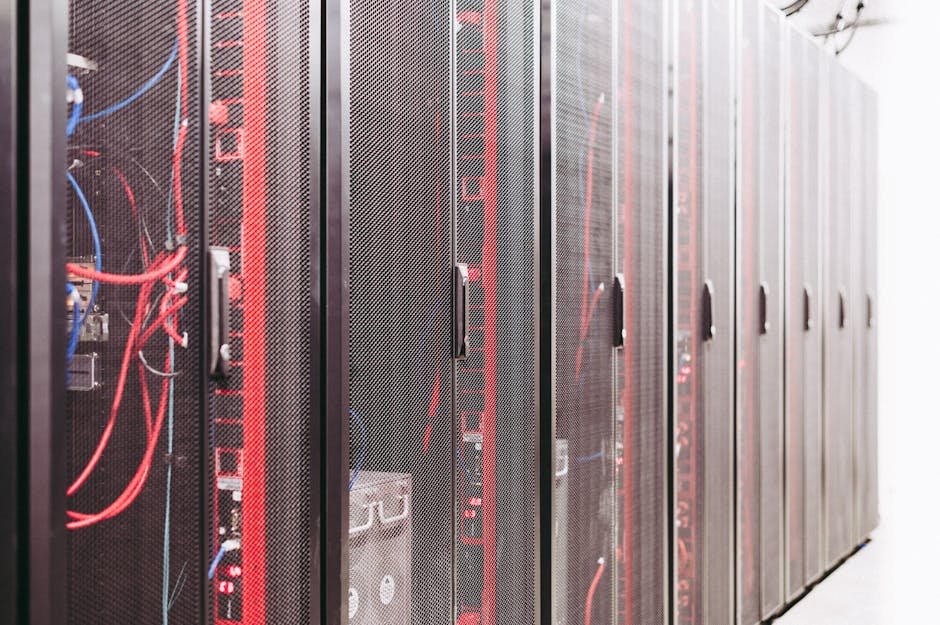
Ever wonder what’s really “in the cloud” when you save a photo, binge a Netflix show, or just navigate Bay Area traffic? Forget fluffy digital ether. The truth behind the magic of California cloud infrastructure? Way more physical. Much heavier. And hella expensive, too. We’re talking massive concrete structures, thousands of servers, and physical hard drives packed to the gills.
The “cloud” isn’t some abstract concept. Nope. It’s someone else’s computer, literally. And a huge chunk of those “someones” are right here in the U.S., tucked away in purpose-built fortresses you’ve probably driven past without a second thought.
The ‘cloud’ isn’t abstract. It’s a huge, physical network of data centers, with many right here in the U.S. They’re overlooked infrastructure
It’s easy to picture the cloud as pure digital energy, floating somewhere. Not quite. The reality? Way more real. Over 10,000 data centers exist globally. Most are in the United States. Think colossal warehouses. Full of humming machines. Generating immense heat. Each one totally vital to our digital lives.
Virginia, seriously, hosts a ton of these data centers; they pretty much handle an enormous portion of the world’s internet traffic. When you share an Instagram story from San Diego? That data might just take a quick hop across the country to one of those massive places. These aren’t just server rooms. They’re high-security, super-reliable industrial sites. Built for near-zero downtime. We’re talking roughly 26 minutes of outage per year. Top-tier spots. Critical stuff. Indeed.
California’s Silicon Valley, home to giants like Google, is key to cloud computing’s global reach. It’s where it all started
Before the cloud became A Thing, any company wanting to be online had to buy its own servers. Build its own data room. Hire a whole tech team to run it. For a startup? That meant blowing thousands. Even hundreds of thousands. Before ever making a dime. Weeks were spent just setting up hardware. Capacity planning was a nightmare: too much meant wasted cash; too little, and you crashed. The internet just got too big for that old model.
Then came Amazon. Not a cloud pioneer. Just a bookseller. With an internal problem. Their “two-pizza rule” (no team larger than what two pizzas could feed) pushed a unique solution: individual teams were constantly reinventing the wheel for basic stuff. And another thing: someone eventually asked, “Why don’t we just build one system that everyone can use?” This became Amazon Web Services (AWS).
In 2006, AWS quietly launched S3 for storage. Then came EC2. Anyone could rent a virtual computer in minutes. No server purchases. No data rooms. No dedicated IT staff needed. Pay-as-you-go. This was a game-changer. Suddenly, the barrier to innovation? Gone. Startups like Dropbox, Netflix, Reddit, Pinterest, and Airbnb all launched on AWS. And for the tech giants in Silicon Valley, like Google and Microsoft? They were slow. Entering the cloud game four to six years later. That’s an eternity in the digital world. Seriously.
Data centers gobble insane amounts of water for cooling and electricity. Causing major carbon emissions. And making water stress so much worse. Big problem for places like California
Here’s the hidden cost of our digital world: these data centers are environmental monsters. Thousands of servers running all the time generate tremendous heat. Without extreme cooling, they overheat. Shut down. Fail. The typical solution? Massive cooling units that vaporize millions of gallons of water into the atmosphere. This is hella inefficient, especially in a state already grappling with drought.
Consider this: large places can use billions of liters of water annually – that’s the equivalent of tens of thousands of households. In 2023 alone, American data centers used 17 billion gallons of water purely for cooling. Experts predict this could quadruple by 2028. And another thing: add in the water also used to generate the electricity they consume (often from power plants hundreds of miles away), and the numbers just rocket.
It’s not just water. Electricity consumption? Staggering. In 2023, US data centers gulped down 176 terawatt-hours, 4.4% of the nation’s total electricity. Roughly equivalent to Pakistan’s annual consumption. And over half of that power comes from nasty fossil fuels. This contributes to 105 million metric tons of carbon emissions. A 300% jump since 2018. Tech companies pledge “100% renewable energy.” But often that just means offsetting emissions. Not directly powering their places with green energy. Many data centers are built in high water-stress regions. Like Phoenix, Arizona. A notoriously dry state that hosts over 58 data centers. The irony is stark.
All our global data is sitting with a few US cloud providers. This raises huge questions. About who owns data. And government access. All through laws like the Cloud Act, messing with privacy worldwide
Who actually owns your data in the cloud? And who can access it? These aren’t just academic questions. Back in 2013, NSA whistleblower Edward Snowden revealed programs like PRISM. They allowed US intelligence agencies to demand data from American tech giants like Microsoft, Google, Apple, and Facebook. Suddenly, the promise of “your data is safe in the cloud” was seriously questioned.
This sparked a global demand for “data sovereignty.” Countries started asking: Where is our citizens’ data stored? Who can access it? Russia mandated data localization. The EU tightened its data protection with GDPR.
Then, in 2018, the US Congress passed the Cloud Act. This law legally empowered US law enforcement to demand data from any American company. Regardless of where that data physically resides. Server in Amsterdam? Doesn’t matter. If the company is American, they can be compelled to hand it over. This puts companies and countries in an impossible spot: obey US law and potentially break EU law (GDPR), or vice-versa. Because even Microsoft’s own legal counsel in France admitted they couldn’t guarantee that European customer data wouldn’t be transferred to the US government. This isn’t just a legal chill. It’s a full-blown digital sovereignty crisis.
Generative AI is exploding, driven by California innovators. This means insane investment in new data centers. Sucking up more resources. And making a few tech giants even stronger
ChatGPT rocked the tech world in 2022. Changed the cloud game overnight. Microsoft, a massive investor in OpenAI (the company behind ChatGPT), gained a huge advantage. OpenAI’s entire core setup runs on Azure. This meant anyone using the world’s most popular AI tool was indirectly funneling money to Microsoft’s cloud. Meanwhile, Google isn’t sitting on its hands. Integrating its Gemini AI model into Google Cloud. Amazon, too, is going hard on AI. Investing heavily in its own AI chips and AI companies like Anthropic.
These three tech giants aren’t just renting out server space. They’re determining who controls the future of AI. The numbers are mind-boggling: the global cloud infrastructure market is expected to top $400 billion this year. Amazon (30%), Microsoft (20%), and Google (13%) control the lion’s share. They’re pouring an estimated $240 billion into new data centers and AI infrastructure. Big bets. On a future where AI runs everything. While the revenue from AI services is still catching up, this is one of the biggest tech gambles in history.
Daily digital activities, from using navigation apps in California to handling personal photos, rely on this invisible cloud stuff. Gotta know where it comes from and what it costs
Your daily digital routine is a constant ballet of data flowing through this unseen infrastructure. Navigation apps to dodge the 405. Streaming your favorite show after a long day. Checking your bank balance. Even syncing your alarm clock. It all relies on servers in places like Oregon, Virginia, or Dublin. Often without a noticeable hiccup. This invisibility is the cloud’s genius – and its biggest danger.
Because we don’t see it, we don’t question it. Knowing where your data physically lives, who can access it, and under which country’s laws? Super important. And understanding the environmental footprint—the staggering water and electricity consumption, the carbon emissions, the drying rivers—is paramount. The cloud makes our lives easier, yes. But it also disconnects us from our own digital existence. In less than two decades, the vast majority of humanity’s digital information is controlled by just a few American companies, subject to American laws. This creates an unprecedented dependency. Always be aware of what’s backing your data. That chill place in cyberspace? It’s concrete, cables, and power. All demanding resources.
FAQs
Q: What exactly is the “cloud” I use every day?
A: The “cloud” is not just abstract digital space. It’s a vast, connected network. Physical data centers. Mostly in the United States. These are large industrial facilities. Filled with thousands of servers. They store and process your digital data.
Q: How much water do data centers consume?
A: An average data center? Can consume about 1.1 million liters (300,000 gallons) of water per day. The largest ones use up to 19 million liters (5 million gallons) daily. Mainly for cooling their hot, heat-generating servers. This usage significantly contributes to water stress in many regions, including parts of California.
Q: Can the US government access my data if it’s stored in a cloud service provided by a US company, even if the server is in another country?
A: Yep. Under the US Cloud Act, American law enforcement can compel US-based cloud providers to hand over data. No matter where that data is physically stored in the world. This can happen without your knowledge. And often conflicts with data protection laws of other countries. Like Europe’s GDPR.