The Digital Music Revolution: How Napster, MP3s, and Spotify Messed Up Everything
Remember when paying for just one song meant buying a whole CD? Ugh. Two college dropouts. Pure ambition. They changed everything. Napster. Kicked off a truly wild Digital Music Revolution. Wiped out the old guard. Industry value just tanked, from a staggering $14.5 billion in 1999 down to $6.3 billion after Napster hit. Not just a shift. A seriously massive earthquake. How did it all happen?
The MP3 Format: The Quiet Before the Storm
Okay, so the whole messed-up saga kicks off in Germany with these two brainy guys: Dieter Seitzer and Karlheinz Brandenburg. Seitzer, like, dreamed up this central digital music thing. Mid-80s. Wanted to send songs through phone lines. Big problem. One second of CD audio? A million bits. Phone lines? Only 128,000. No way. Totally impractical. Just couldn’t work.
Then Karlheinz Brandenburg shows up. Seitzer’s student. He was smart. Used psychoacoustics. Figured out our ears don’t hear all the junk on a CD. So, he made these math formulas. Cut out the parts we don’t hear. And boom! Crazy good audio compression. Made the impossible real. July 1994. The Fraunhofer group released the software. That was it. Music files could finally be tiny MP3s. Everywhere.
Totally huge. At first, just eggheads at universities messed with it. But then, real internet folks got wise. Think about it: before MP3s, you heard a song on the radio. Want to hear it again? Lousy cassette recording. Or twenty bucks for a whole CD just for one song. Ridiculous. Then came MP3s and players like Winamp (out in 1997). Sharing music? Super easy. Between friends. Buy one CD. Convert it. Thousands listen. Blew my mind.
Napster’s Grand Entrance: Peer-to-Peer Changes Everything
MP3s were cool; made sharing happen. But actually finding the stuff? Still a big headache. Shawn Fanning enters the scene. Student at Northeastern. Music lover. Saw his roommate looking for songs online, struggling big time. And then… lightbulb moment. What if folks just shared music right off their own computers? No more digging through weird internet places.
Fanning threw his crazy idea out on IRC. Joined forces with Sean Parker. Parker? Not a coder. But he saw the money. Fanning quit college. Just coded. 1999, Napster launched. Bam! Went viral like crazy. Mostly everyone just talking about it. People were floored. Type a title. Minutes later? Bang, music. Nothing like it. Ever. Not in the old CD days.
Napster’s brilliant idea? Peer-to-peer. P2P. Didn’t have the music. Just linked people. Someone’s got a song. Napster says, “download it from them.” Direct. Boom. Labels totally out of the loop. Indie artists? A fair chance. The Dispatch, for crying out loud, got super popular ’cause of Napster. Music industry? Blindsided. No idea what to do. At all.
The Industry’s Backlash: Fighting a Losing Battle
Big record labels. They were used to huge money from CDs. Completely blindsided. They just couldn’t get it. This new digital way of doing things. Adapt? Compromise? Nah. They fought. Sued Napster! “Copyright infringement!” they yelled. And the kicker? That lawsuit? Made Napster even more famous. Over 20 million users. While they were fighting!
Napster lost. Shut down. Hard. Industry thought they’d won. Thought everyone would just go back to buying CDs. Dumb, right? But the digital cat was already out of the bag. So, then Kazaa and Limewire just popped up. Filled the empty spot.
And another thing: they still didn’t get it. Instead of just slamming the platforms, they went after their own customers. Students. Professionals. Regular folks! Thousands got letters. Many coughed up around $4,000. “Illegal downloads,” they said. Huge mistake. A generation HATED them. Instantly. Seriously, how do you expect people to buy your stuff after you’ve sued ’em for wanting it? Because of this stubbornness, the industry lost big money. Tons of jobs gone. So many music stores, like the ones we grew up with, went dark.
The Divide Among Artists: Support vs. Opposition
Artists? Totally divided. Wildly different ideas. Guys like Metallica (Lars Ulrich! Dr. Dre!) hated Napster. Fought it hard in court. Said it was stealing, costing them cash. Wanted the old way. Get paid for their art.
But then you had indie artists. Even some big names. They thought Napster was a killer promo tool. Got their music out to everyone. No label bosses telling them no. They just saw it as a massive “system change” the music world had to accept. Said free tastes meant more fans, more ways to make money later on.
Adaptation and Innovation: iTunes and Spotify Emerge
Industry was in bad shape. Losing money. Fans hated them. And then who shows up? Steve Jobs from Apple. Who knew? He had an idea: iTunes Store. Labels, just completely desperate, had zero other options. So they grumbled, but took his deal: sell single songs for a dollar. Just one dollar! Went completely against their $20 album habit. But they were stuck.
iTunes? A total smash. Millions of songs sold. But artists quickly realized their piece of that dollar wasn’t much. After Apple and the labels took their share, anyway. Still not good enough for the artists.
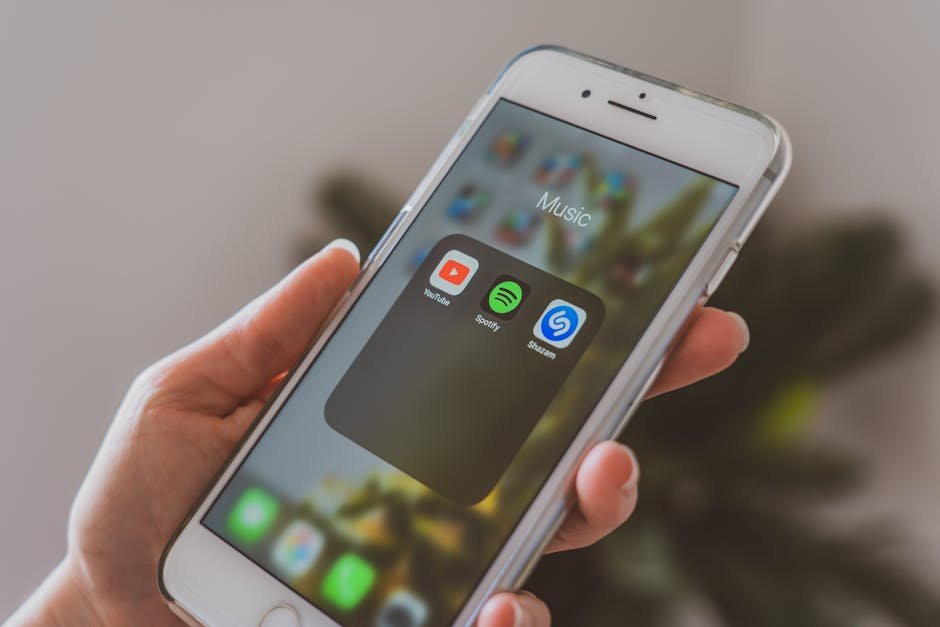
Then these guys: Daniel Ek and Spotify. From Sweden. Spotify offered this subscription model. All the music you want. One monthly payment. Cool. Blew up. So good. Finally, the industry woke up. Lesson learned: don’t fight the tech. They gave in. Spotify went worldwide. And opened the door for all the others—Apple Music, Amazon Music, you name ’em.
The New Artist Economy: Beyond Music Sales
Streaming totally changed music consumption. No doubt. But artists were still grumbling about tiny payouts. Taylor Swift, you remember, pulled her songs from Spotify. But she came back. Like everyone else. Bottom line for artists: pure music sales, especially streaming ones, don’t make the money they used to. Not like the CD days.
But this Digital Music Revolution? It gave artists crazy global reach. More than ever. Can talk to billions of fans straight up. No more old-school label bosses telling them what’s what. Cash isn’t just about selling songs now. It’s the whole fan vibe. The experience. Now artists make decent money through live shows, merch, brand deals, and platforms like Patreon and Bandcamp. Direct from fans.
Today? Listening to music free on YouTube? Nobody even thinks twice. Just how it is. Industry had to change. Or die. And yeah, the old guys fought it. But this new world brought massive chances for big stars AND new artists. In one connected, global music party.
Frequently Asked Questions
Q: So, who came up with MP3s?
A: Dieter Seitzer started the whole digital music idea. But his student, Karlheinz Brandenburg? He actually made it work. Used crazy science to squish audio files way down.
Q: Why did the music industry fight Napster so hard at first?
A: Look, the labels were sitting on billions from CD sales. Totally wasn’t ready for everything going digital. They just saw Napster as straight-up theft. Couldn’t wrap their heads around the new tech. And kept saying no to any compromise. Stubborn.
Q: Napster showed up. What happened to the industry’s money?
A: 1999? Industry was worth $14.5 billion. Napster hit, lawsuits started. By 2009? Value crashed to $6.3 billion. Big drop.